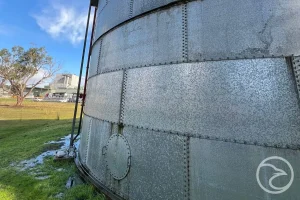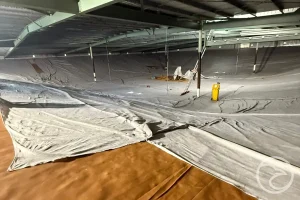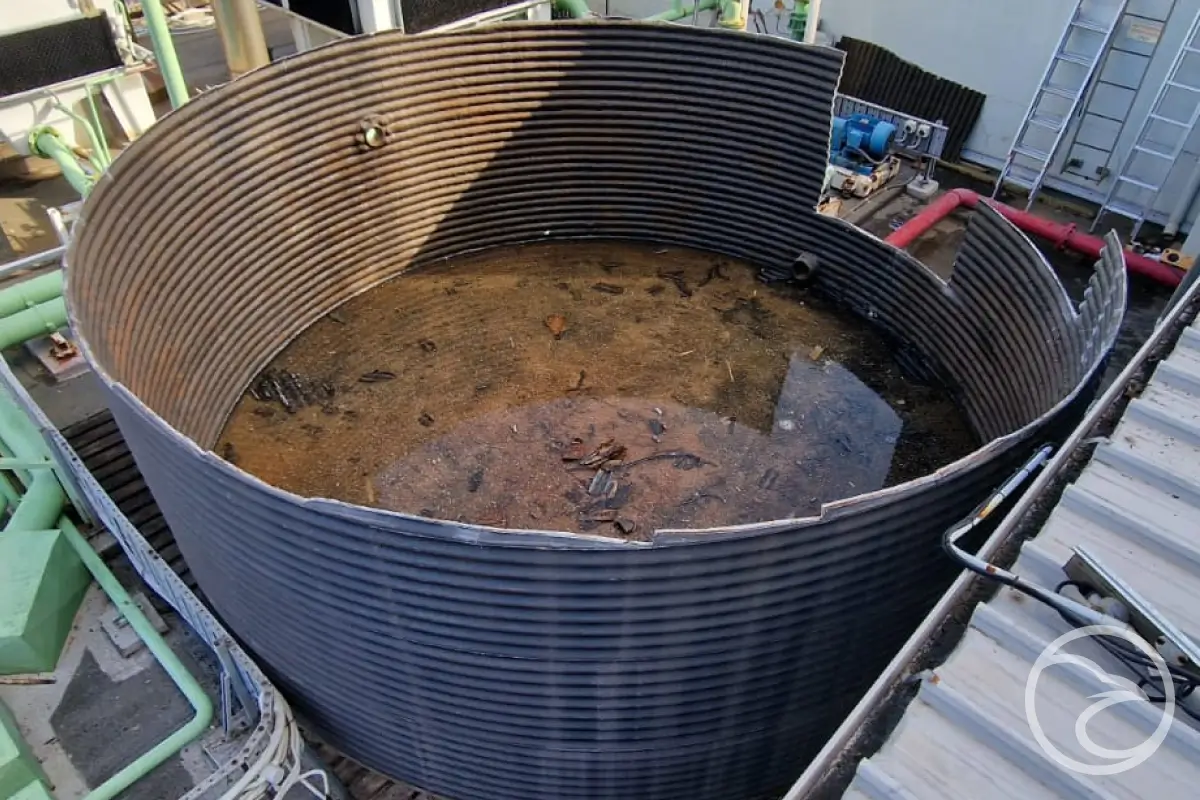
Water quality affects more than the appearance of stored water. It also influences fire system reliability and tank condition. Poor water conditions can damage internal components over time. Contamination may also reduce operational performance during emergencies.
Many water quality problems develop gradually. Early warning signs often remain unnoticed for long periods.
Understanding these risks supports effective fire tank maintenance.
How Contamination Develops Inside Fire Tanks
Fire tanks are constantly exposed to environmental conditions. Contamination may enter the system in several different ways.
Common contamination sources include:
- dust
- leaves
- insects
- sediment
- organic debris
Damaged covers and openings increase contamination risks further. Heavy rainfall may also introduce external debris into the tank. Some contaminants settle at the bottom over time. Others remain suspended in the water supply.
Stagnant conditions often worsen internal contamination. Low circulation allows debris and bacteria to accumulate.
Environmental exposure also affects water stability. You can learn more in how weather conditions affect fire water tanks.
The Connection Between Water Quality and Corrosion
Poor water quality can accelerate internal corrosion significantly. Minerals and contaminants may damage tank surfaces gradually.
Several water-related conditions increase corrosion risks:
- high mineral content
- stagnant water
- sediment accumulation
- bacterial growth
- organic contamination
Sediment often traps moisture against internal surfaces. This creates conditions that support corrosion development. Some bacteria also contribute directly to metal deterioration. Microbial activity may weaken protective surfaces over time.
Contaminated water can damage steel components gradually. Internal corrosion often remains hidden for years. Older tanks become more vulnerable as protective layers deteriorate. Water instability increases these risks further.
You can explore this further in common causes of fire tank corrosion.
How Poor Water Quality Affects System Performance
Contaminated water may reduce fire system efficiency over time. Internal debris can affect several important components.
Poor water conditions may contribute to:
- blocked pipes
- restricted flow
- unstable pressure
- pump strain
- valve deterioration
Sediment sometimes accumulates inside connected systems. This may reduce water delivery performance during emergencies. Pump systems may work harder under contaminated conditions. Additional strain increases wear on mechanical components.
Pressure instability can also affect operational reliability. Small performance problems often develop gradually. Water quality issues may remain unnoticed during normal operation. System problems sometimes appear only during testing or emergencies.
You can read more in how poor fire tank maintenance affects system performance.
Stagnant Water and Biological Growth
Stagnant water creates an unstable internal environment. Low circulation encourages biological growth inside the tank.
Several biological problems may develop over time:
- algae growth
- bacteria accumulation
- unpleasant odors
- slime formation
- water discoloration
Warm temperatures often increase biological activity. Sunlight exposure may also affect internal water conditions. Cloudy water sometimes indicates bacterial contamination. Visible slime may appear near internal surfaces or fittings.
Biological growth can affect both water quality and system components. Some microorganisms contribute to internal corrosion. Stagnant conditions also increase unpleasant odors over time. These issues often indicate poor internal circulation.
Preventing stagnant water improves overall tank reliability.
Environmental Factors that Affect Water Quality
Environmental conditions strongly influence stored water quality. Weather exposure can affect both internal and external conditions.
Several environmental factors increase contamination risks:
- extreme heat
- heavy rainfall
- damaged covers
- poor drainage
- airborne debris
Hot temperatures may increase algae and bacteria growth. Storms can introduce dirt and organic material into the tank. Moisture exposure around access points also creates problems. Damaged seals may allow contamination to enter more easily.
External debris sometimes accumulates after strong winds or storms. Water quality may decline quickly under these conditions. Environmental stress also affects tank surfaces and coatings.
Monitoring environmental exposure helps maintain stable water conditions.
Signs of Poor Water Quality in Fire Tanks
Water quality problems often produce visible warning signs. Early detection helps reduce long-term system damage.
Common signs include:
- cloudy water
- unusual odor
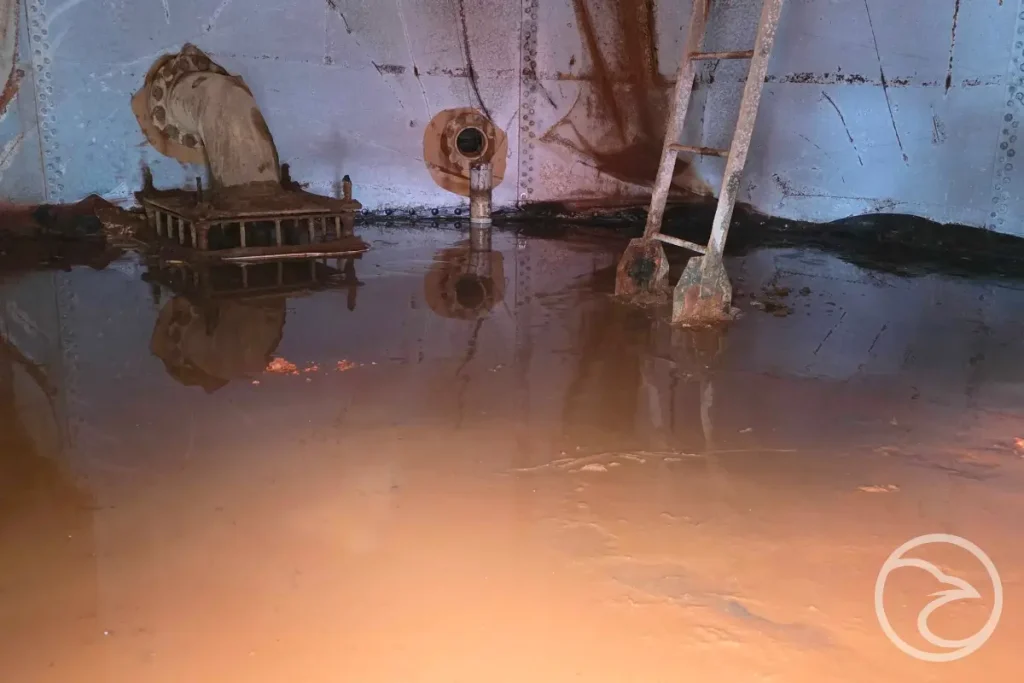
- visible sediment
- discoloration
- floating debris
Some tanks also develop rust particles inside the water supply. This may indicate internal corrosion. Water quality problems often appear gradually. Minor contamination can become more severe over time.
Unpleasant smells sometimes suggest bacterial growth or stagnation. Sediment accumulation may also affect system performance. Facilities should monitor changing water conditions carefully. Ignoring early warning signs increases operational risks.
You can explore related warning signs in signs your fire water tank needs maintenance.
Improving Water Quality in Fire Tanks
Maintaining water quality requires a proactive approach. Preventive action helps reduce contamination and deterioration risks.
Several strategies improve internal water conditions:
- monitor water appearance regularly
- protect tank openings
- reduce stagnant conditions
- maintain clean surroundings
- respond to warning signs early
Environmental protection also plays an important role. External contamination should be minimized whenever possible. Older tanks may require closer observation over time. Aging systems often become more vulnerable to water instability.
Facilities should pay attention to changing internal conditions. Small issues may indicate larger developing problems. Understanding maintenance timing also improves system reliability. You can read more in when does a fire tank need maintenance?